
A cloud-gaming platform that started as an internship pitch.
Spectrum Shadow — the product as it shipped. "Play games anywhere on your high-end virtual PC."
This project remains one of the highlights of my career — not just for the outcome, but for how unexpectedly it began.
I'd launched our organization's first formal internship program, hand-selecting six exceptional candidates. Each summer, interns were challenged to solve a real business problem and present their solution to leadership. One year, I designed the program as a "Shark Tank"-style experience: intern teams would research, design, and pitch a product concept to executives acting as investors.
At the time, Spectrum had recently acquired a minority stake in an emerging cloud-technology company in France. We challenged the interns to explore a cloud-based product opportunity aligned with that investment.
Over the summer they conducted extensive research — market analysis, technical feasibility, financial modeling — to evaluate whether the concept could become a viable business. On their final day, they pitched a cloud gaming platform.
Leadership approved the concept.
About a month later, my creative director called me in with surprising news.
The concept — now called Spectrum Shadow — had been added to the official product roadmap, and I was asked to lead product design. Because the interns had already established a strong research foundation and produced early mid-fidelity designs, we were able to move quickly into prototyping and validation.
Our usability testing focused on three critical questions:
Internal testing showed strong interest in the concept, but users consistently questioned one aspect: the storage limitation.
"Why is my downloadable space capped?"
This feedback revealed a gap in expectation setting. Users needed a clear explanation of the business constraints behind cloud storage allocation.
We addressed this by:
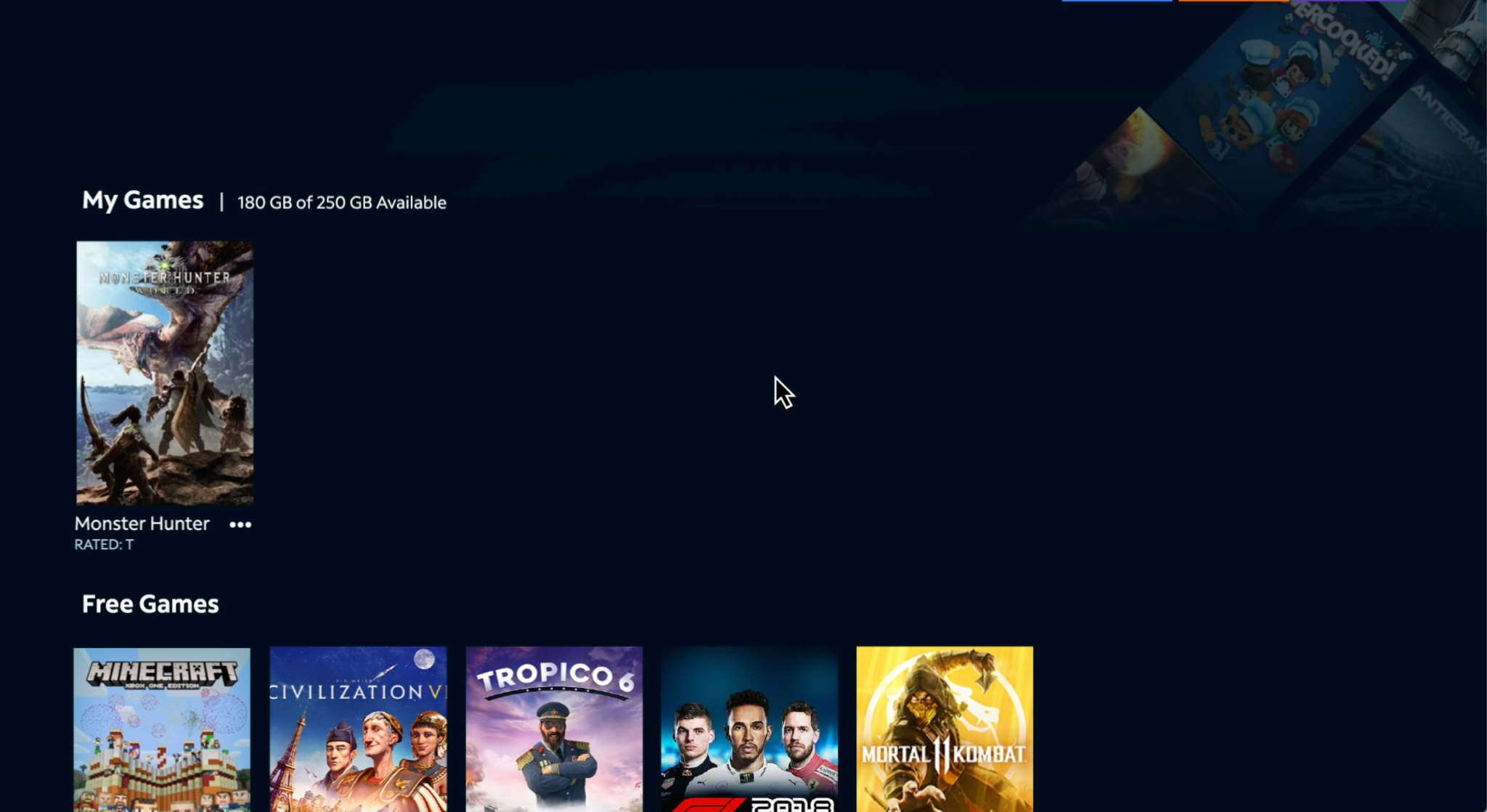
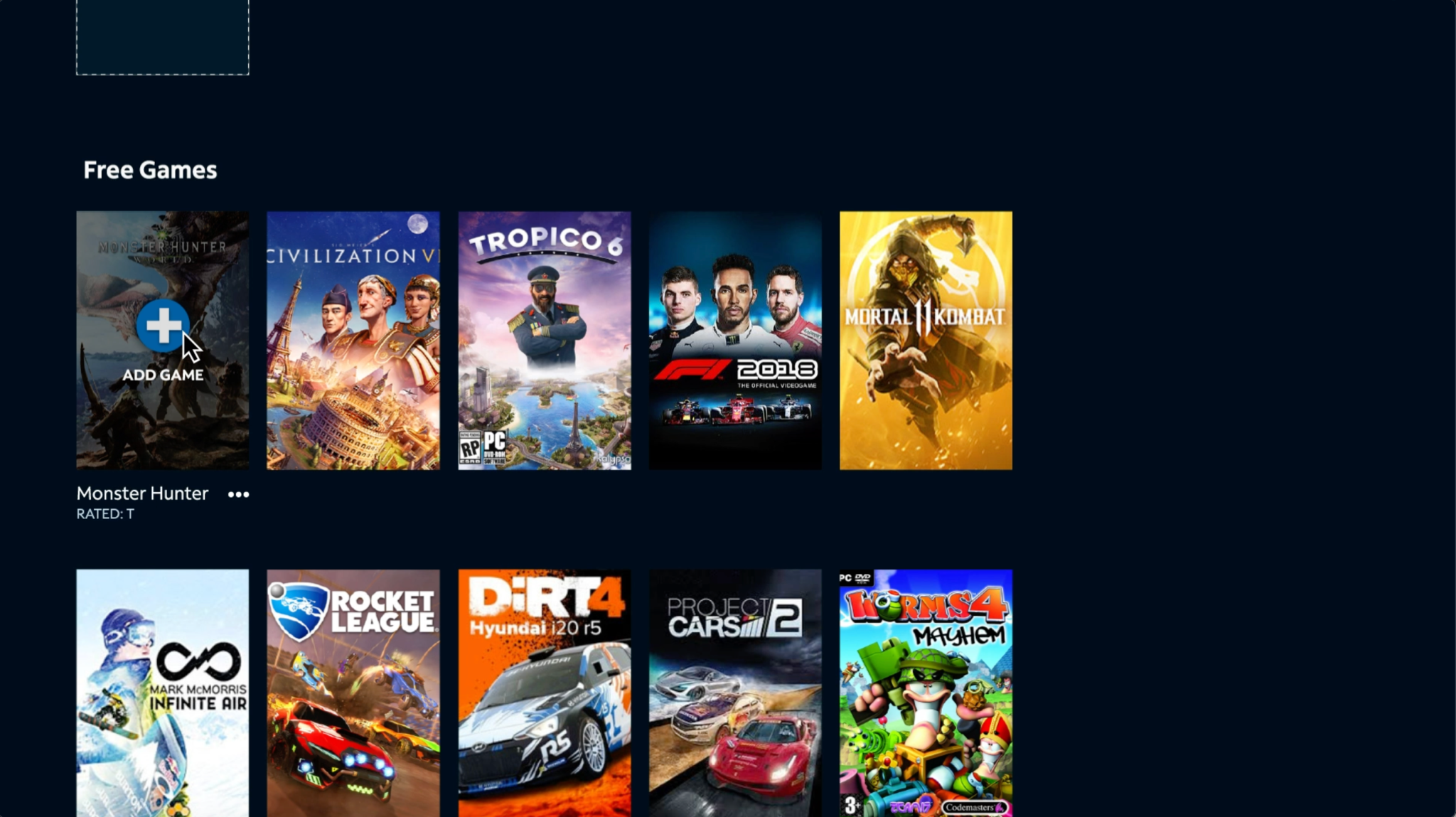
Storage was the friction point — the install modal made the trade-off explicit before the user committed.
Spectrum launched a large-scale beta to approximately 800,000 customers. Results exceeded expectations.
Subscribers across 14 countries
Monthly subscription
Annual recurring revenue
Countries at launch
What began as an internship exercise evolved into a global product with measurable business success. For me, the project demonstrated the power of:
And yes — it was a pretty great win.
$7M+ ARR. 250,000 subscribers across 14 countries. From a Shark-Tank-style internship pitch to a paying product in roughly 18 months — proof that structured innovation programs can produce real businesses, not just nice slide decks.